
Author: InnerVista360
-

Why Calm Is a Skill, Not a Personality Trait
Calm is not a personality trait—it is a trained nervous system state. Through consistent, body-first practices like conscious breathing, the system learns regulation, not avoidance. When breath restores rhythm and safety, reactivity softens, choice expands, and calm becomes a lived skill rather than a rare experience.
-

Your Nervous System Is Listening—Even When You Are Not
Your nervous system responds to signals, not intentions. Long before thought arises, breath tells the body whether it is safe or threatened. Slow, conscious breathing doesn’t fix stress—it regulates the system beneath it, restoring rhythm, clarity, and resilience through body-first awareness.
-

Why Trying to Fix Yourself Is the First Mistake
The moment we try to fix ourselves, we assume something is broken. Conscious breathing isn’t a cure—it’s a space to observe, understand, and soften our experience, allowing clarity to emerge without resistance or self-judgment.
-
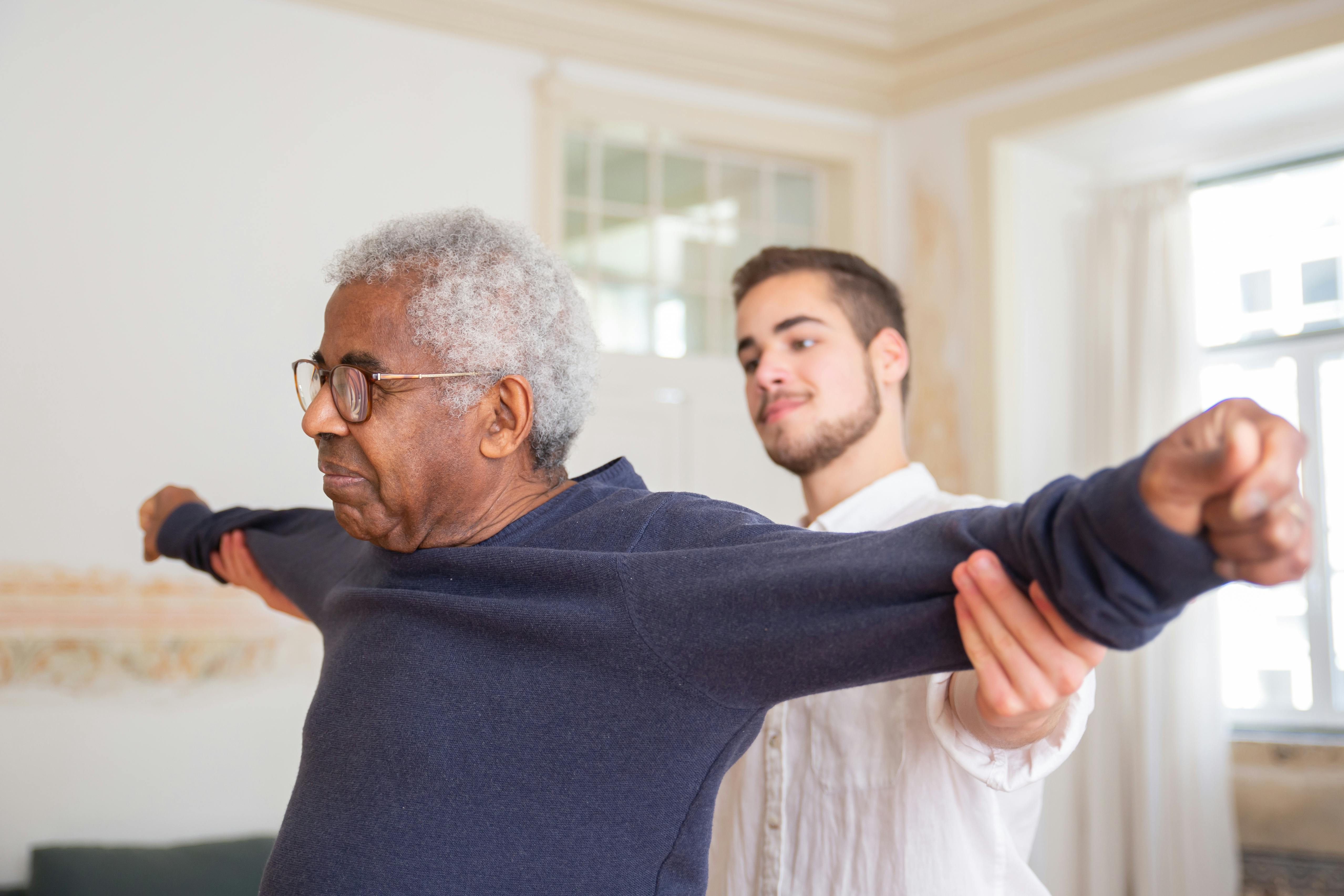
The Inner Pause: Where Choice Is Born
Between every trigger and response lies a quiet space where awareness awakens and choice is born. The inner pause is not inaction, but intelligence—allowing perception to replace impulse. Through mindful noticing and gentle breath awareness, we reclaim clarity, respond consciously, and live with greater freedom and intention.
-
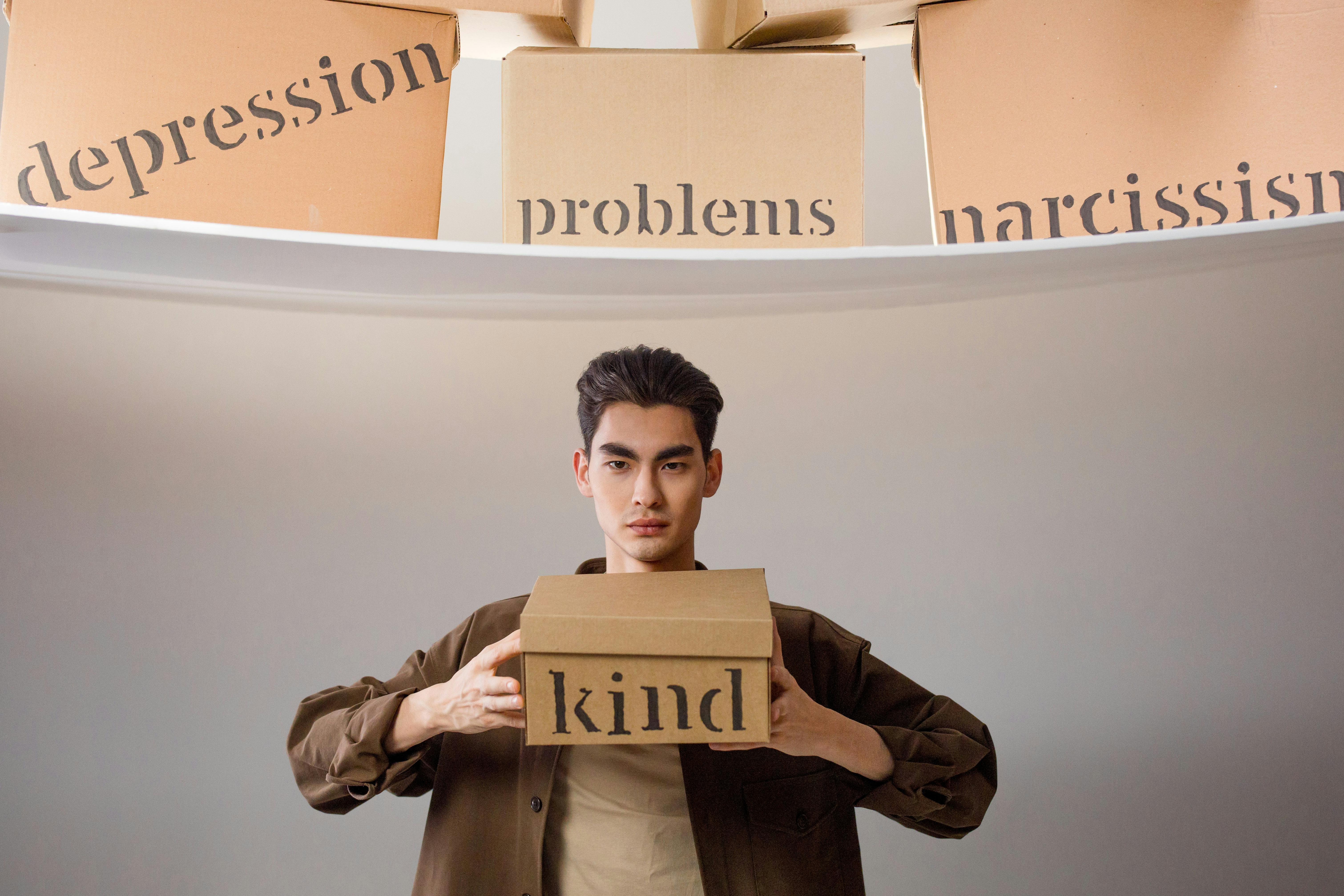
Why Awareness Feels Difficult Before It Feels Liberating
Awareness often feels uncomfortable before it feels freeing. As clarity grows, confusion, resistance, and old emotions surface—causing many to quit inner work too early. This discomfort isn’t failure; it’s a sign of deeper seeing. Liberation doesn’t begin with feeling better, but with seeing clearly.
-

The Lost Space Between Trigger and Response: Reclaiming the Pause Through Breath Awareness
Most of our suffering comes from reacting without awareness. Between every trigger and response exists a silent space where choice lives. By noticing breath and understanding emotional triggers, we can reclaim this pause—transforming unconscious reactions into conscious responses, emotional clarity, and inner resilience.
-

Why Slow Breathing Matters for Holistic Health
Breathing—the simple act of inhaling and exhaling—is essential for sustaining life. Yet, despite its simplicity, breathing is rarely practiced consciously or optimally. When performed mindfully and slowly, breathing has the potential to profoundly influence the mind, body, and emotional well-being.
-

Mastering Conscious Breathing for Emotional Balance
Have you ever noticed your breath becoming shallow during stress or anxiety? In moments of emotional overwhelm, breathing often turns rapid or unconsciously restricted, further amplifying mental distress. In contrast, slow and deep breathing activates the body’s natural relaxation response, calming both mind and nervous system.